Key proposals such as a Technology Observatory and an Integrated Training Plan to boost competitiveness, create local employment, and promote STEM careers
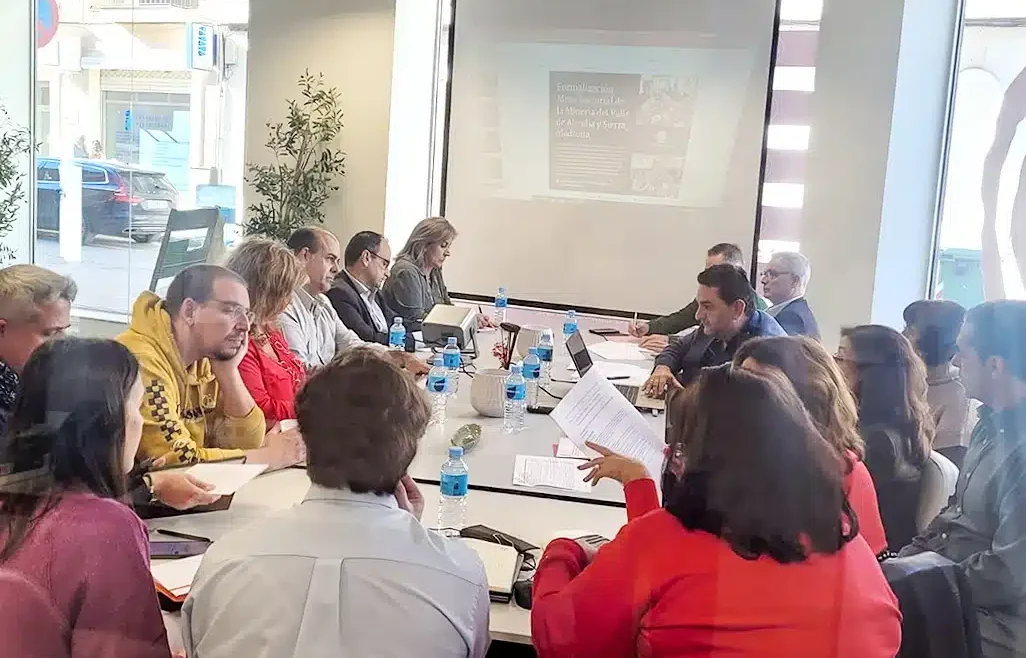
Coinciding with the celebration of Saint Barbara, the patron saint of miners, the second Mining Sector Roundtable was held on Wednesday 4 December at the Rural Development Centre (CEDER) ‘Valle de Alcudia y Sierra Madrona’, located in Almodóvar del Campo.
This meeting helped consolidate this participatory forum as a permanent monitoring body, representing a significant step towards responsible mining management and sustainable development in this area of the province of Ciudad Real.
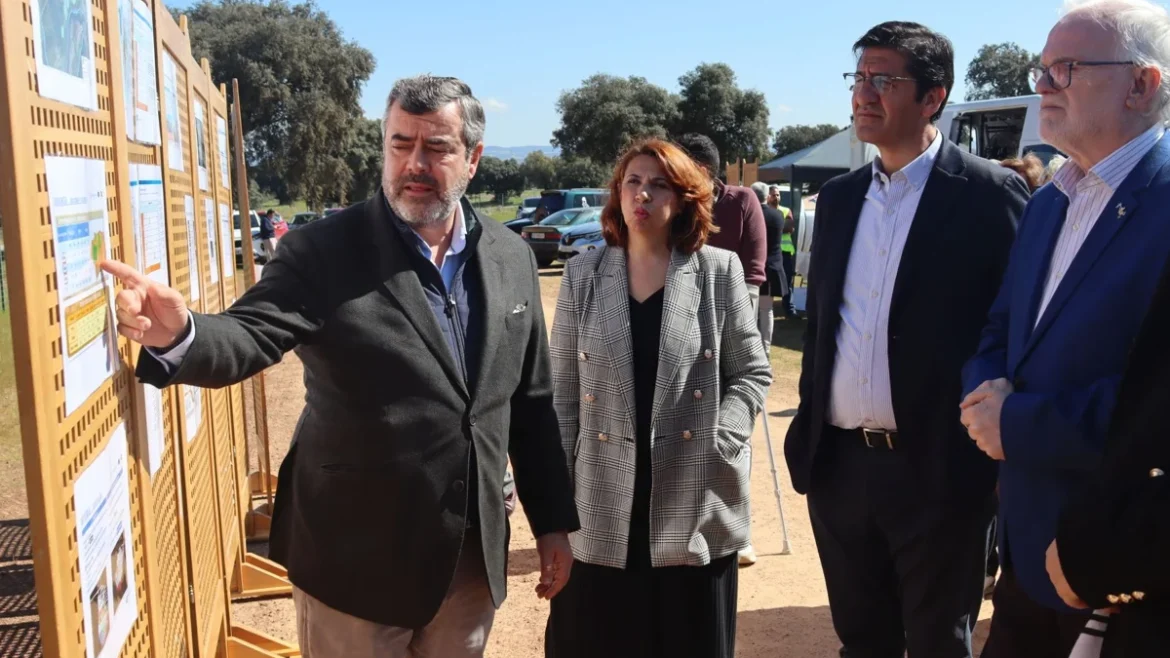
The event, organised by the Valle de Alcudia Rural Development Group (GDR), was attended by its technical team, as well as various representatives from the sector, including institutions, companies, and local and regional organisations. Among the attendees were Abenójar’s mayor, Verónica García; the head of the Puertollano Employment and Entrepreneurship Office, José Ángel Sendarrubias; and Javier Carrasco, Director of Industrial Activities at MAYASA.
Also participating were Antonio Chamorro and Manuel Rufilanchas, Dean and Board Member respectively of the Official College of Mining Engineers of Levante, as well as Rosina Martín, Dean of the College of Mining Engineers of Almadén.
Other attendees included Nuria Núñez and Pedro Torres, representing the training consultancies Modem and Red Futuro Emprende; Pedro Mesas, from the mining and industrial engineering company Inminer; and Laura López, from the environmental company Fomecam.
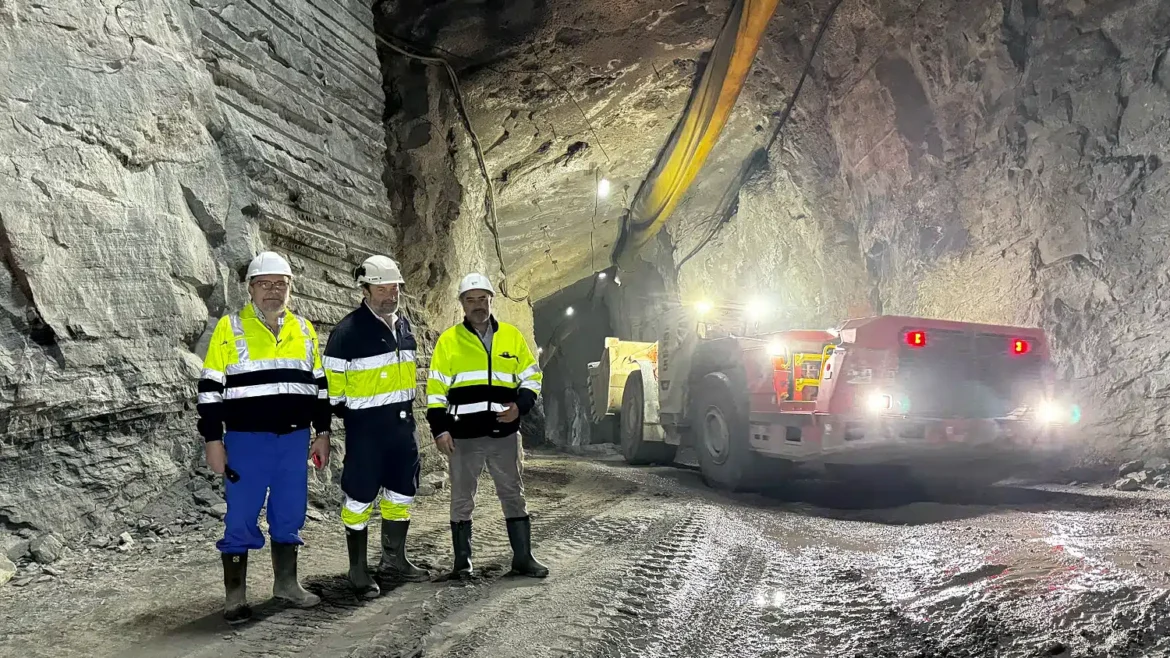
Three representatives from Abenójar Tungsten, S.A., the company leading the ‘El Moto’ mining project, were also present: María Rosa Simón, Head of Administration and Development, who also chaired the meeting; geologist Carlos Sabán; and Mining Engineer Antonio Cueva.
During the session, the importance of mining as an economic driver for the region was highlighted, along with its capacity to generate employment and opportunities, always within a sustainable development model that guarantees respect for the environment and the local population.
The commitment of all stakeholders involved in developing policies that promote ethical and sustainable mining activity, with a positive social impact, was also reaffirmed.
Main programme objectives
To achieve these goals, four key proposals were presented to strengthen the sector’s competitiveness, ensure the sustainability of operations, and generate added value for the region.
The first proposal was the creation of a Mineral Processing and Metallurgy Technology Observatory, conceived as a space for innovation and technological monitoring, essential for promoting advances in mining and metallurgical processes.
Secondly, the drafting of an Integrated Mining Training Plan was proposed, including both general courses and workshops, as well as specialised programmes in mining disciplines. These initiatives will target unemployed people or those without previous sector experience, prioritising the recruitment of local workers.
The third pillar focuses on promoting STEM careers — Science, Technology, Engineering, and Mathematics — through collaborations with schools. The goal is to increase the number of students choosing these fields by 15% over the next decade, with particular attention to female participation.
Finally, the establishment of joint working frameworks between public administrations, companies, and society was proposed, with the aim of strengthening the region’s business and social fabric.
Additional initiatives
Various complementary actions were also discussed, including promoting private initiatives and circular economy projects, encouraging innovative research projects, and maintaining the validity of the State’s Definitive Reserve in the ‘Almadén’ area.
The importance of recovering research projects developed by MAYASA was highlighted, with the aim of reactivating them and creating new business opportunities that integrate mining activity with companies in the region.
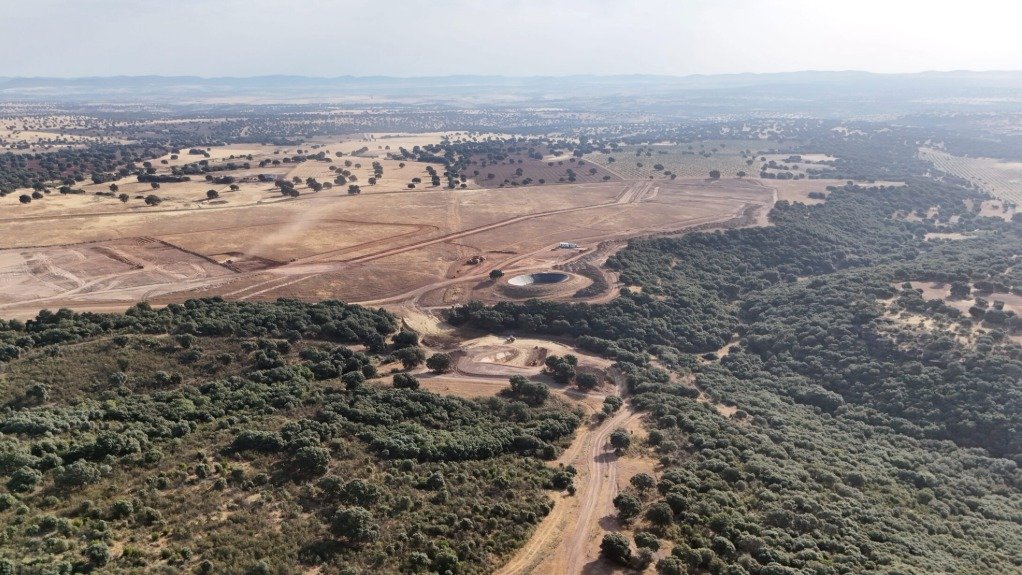
Another relevant point was the presentation of the innovative Communities 4 Climate project, a collaboration between the Valle de Alcudia GDR and Abenójar Tungsten, S.A., which aims to reuse water from the ‘El Moto’ tungsten mine for extensive livestock farming, game species management, and hydroponic green fodder crops.
Finally, the organisation of a Sustainable Mining Conference was proposed, with the objective of sharing best practices in responsible mining and highlighting its positive impact on the region.
The Abenójar tungsten mine project
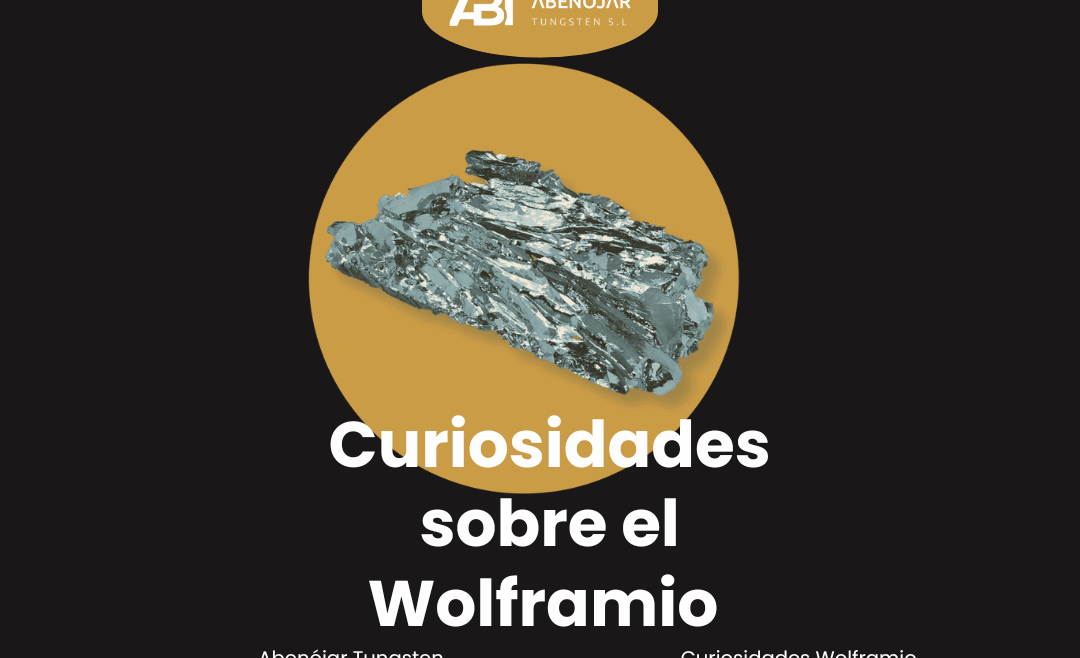
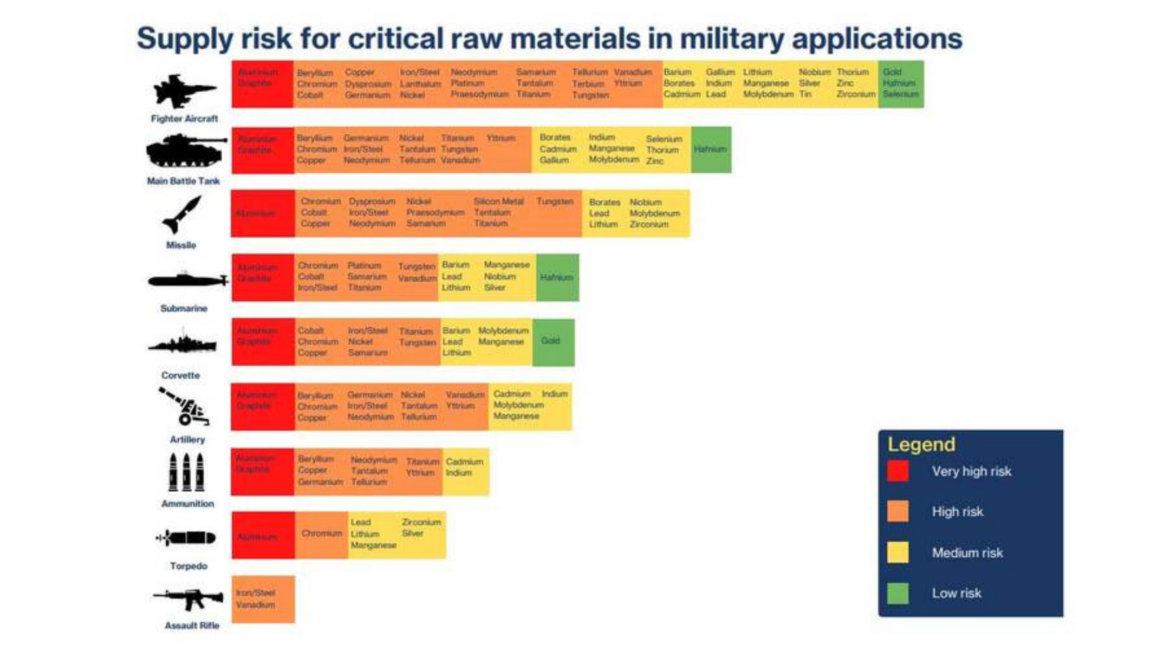
During the meeting, the strategic importance of tungsten as a critical and essential raw material for various industries was emphasised, as well as its potential to act as a catalyst for economic development in the region.
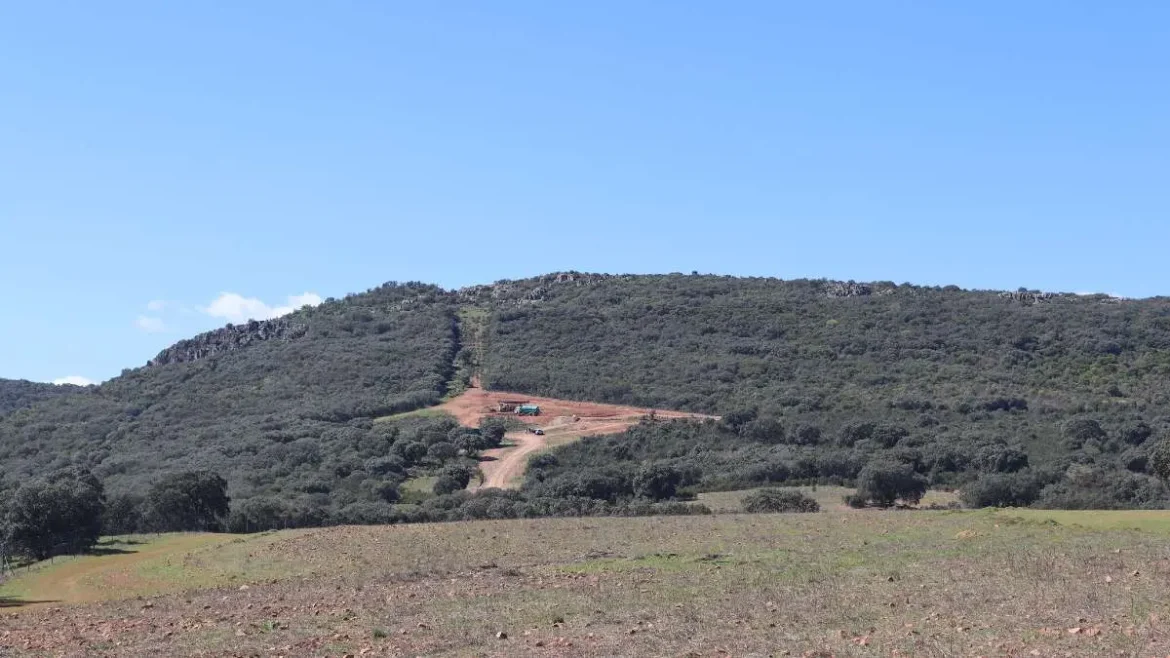
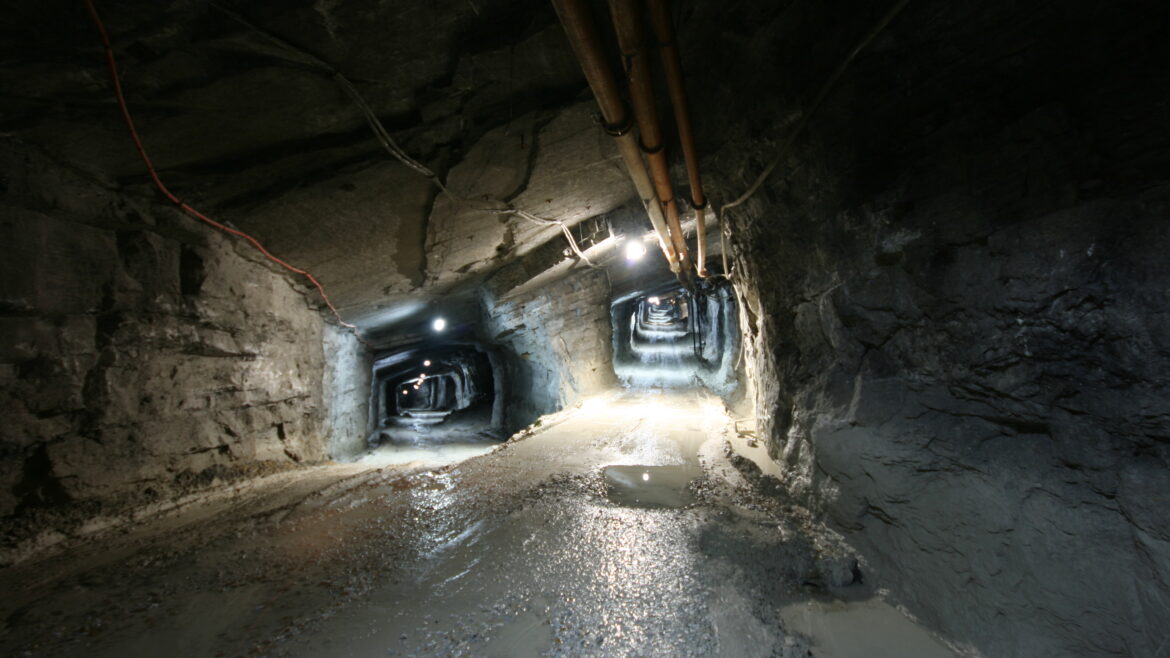
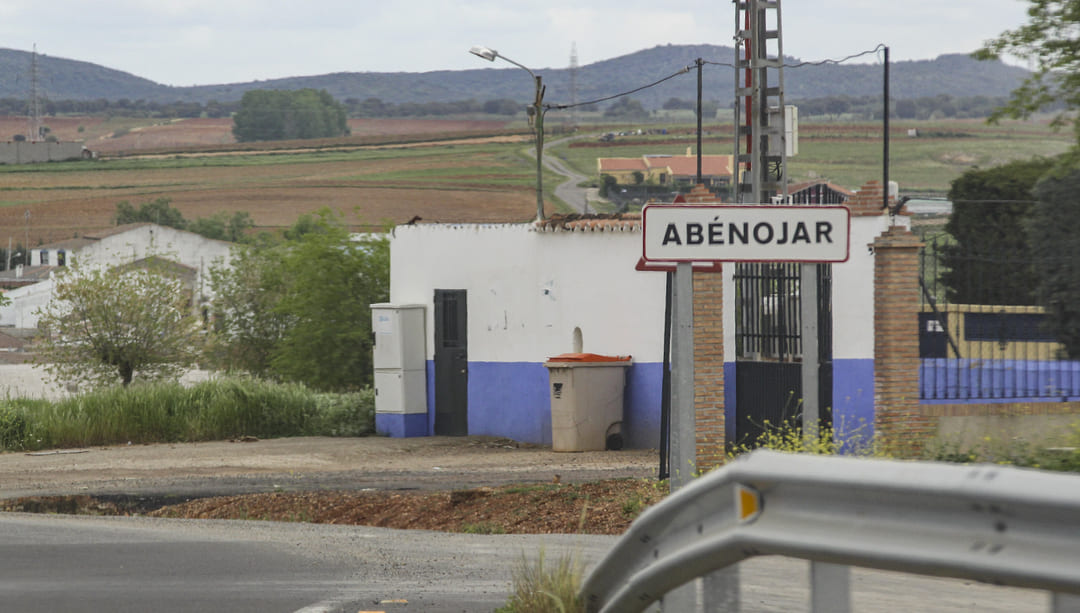
The mining project in Abenójar has been designed as a sustainability model, ensuring compliance with the highest social and environmental standards.
In this context, the Mining Sector Roundtable reaffirmed its commitment to generating long-term social benefits, promoting active participation throughout all phases of the project in order to strengthen the social fabric and improve quality of life in the region.
SOURCE | 8 Lanza