Tungsten, also known as wolfram, is one of the most fascinating metals in the periodic table and a critical raw material for the European Union. Its importance goes beyond the industrial sector: it is an essential element for the present and future of technology, energy and defence.
The highest melting point
Tungsten has the highest melting point of all known metals: 3,422 °C. This makes it an irreplaceable material in applications that require resistance to extreme temperatures, such as jet engines, aerospace components, or cutting and welding equipment.
Classified as a critical raw material by the EU
The European Commission includes tungsten on its list of Critical and Strategic Raw Materials. This is due to its economic importance and supply risk, as currently more than 80% of world production comes from China. Promoting its extraction in Europe is key to strengthening the continent’s strategic autonomy.
A history linked to Spanish mining
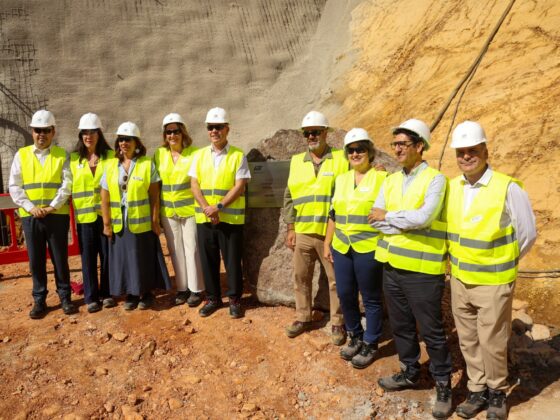
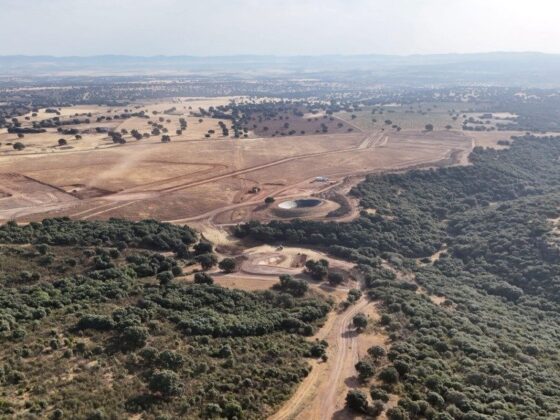
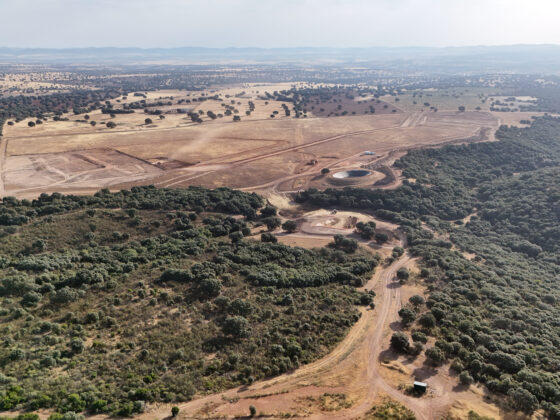
Tungsten has a strong connection with Spain’s mining history. During the Second World War, its extraction on the Iberian Peninsula was key to the armaments industry. Today, projects such as the El Moto mine in Abenójar (Ciudad Real) aim to regain that strategic leadership.
A dense and resistant metal
It is one of the densest metals, surpassed only by osmium. This density, combined with its hardness and corrosion resistance, makes it an ideal material for manufacturing counterweights, armour and high-impact components.
Natural fluorescence
One of tungsten’s minerals, scheelite, is easily recognisable in the laboratory by its characteristic blue fluorescence under ultraviolet light. This facilitates its identification in geological exploration processes.
Follow us on LinkedIn
Discover more content like this on our official profile 👉 linkedin.com/company/abenójar-tungsten